26 May 2025by y.naciri
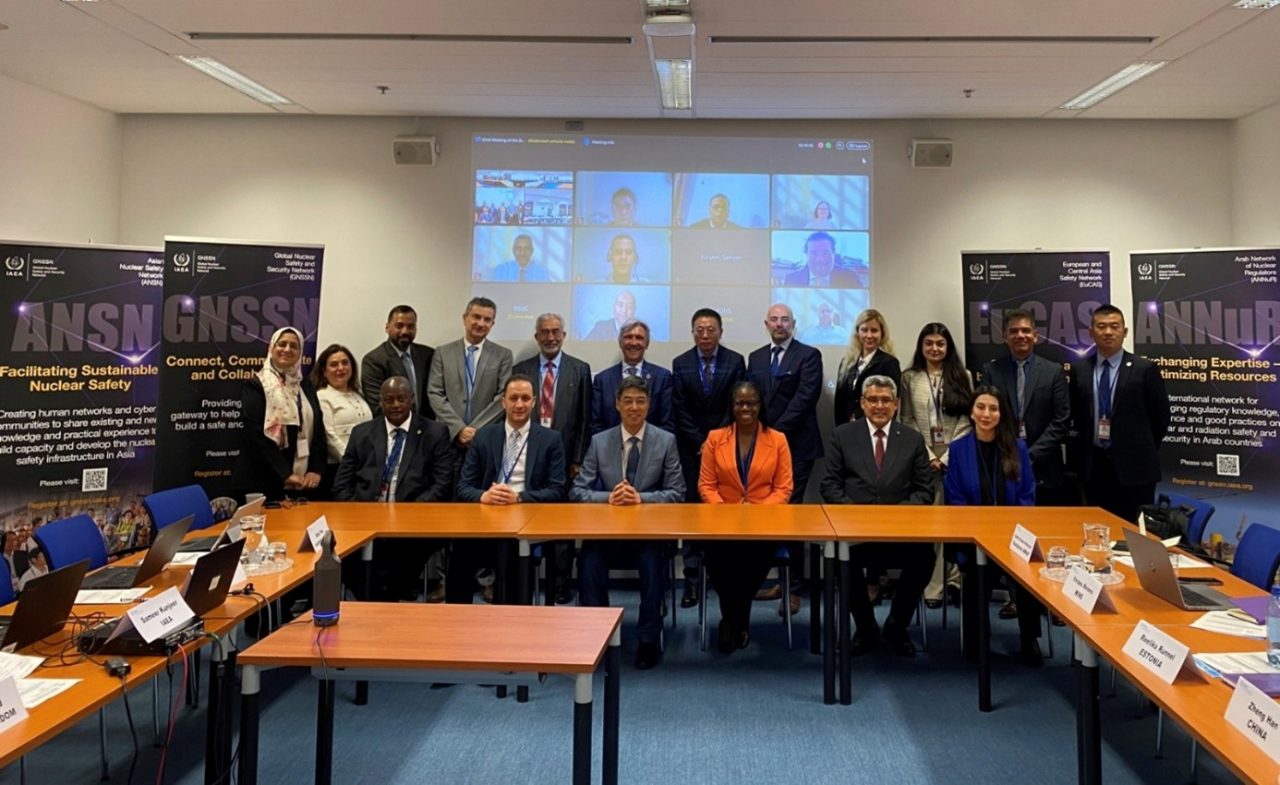
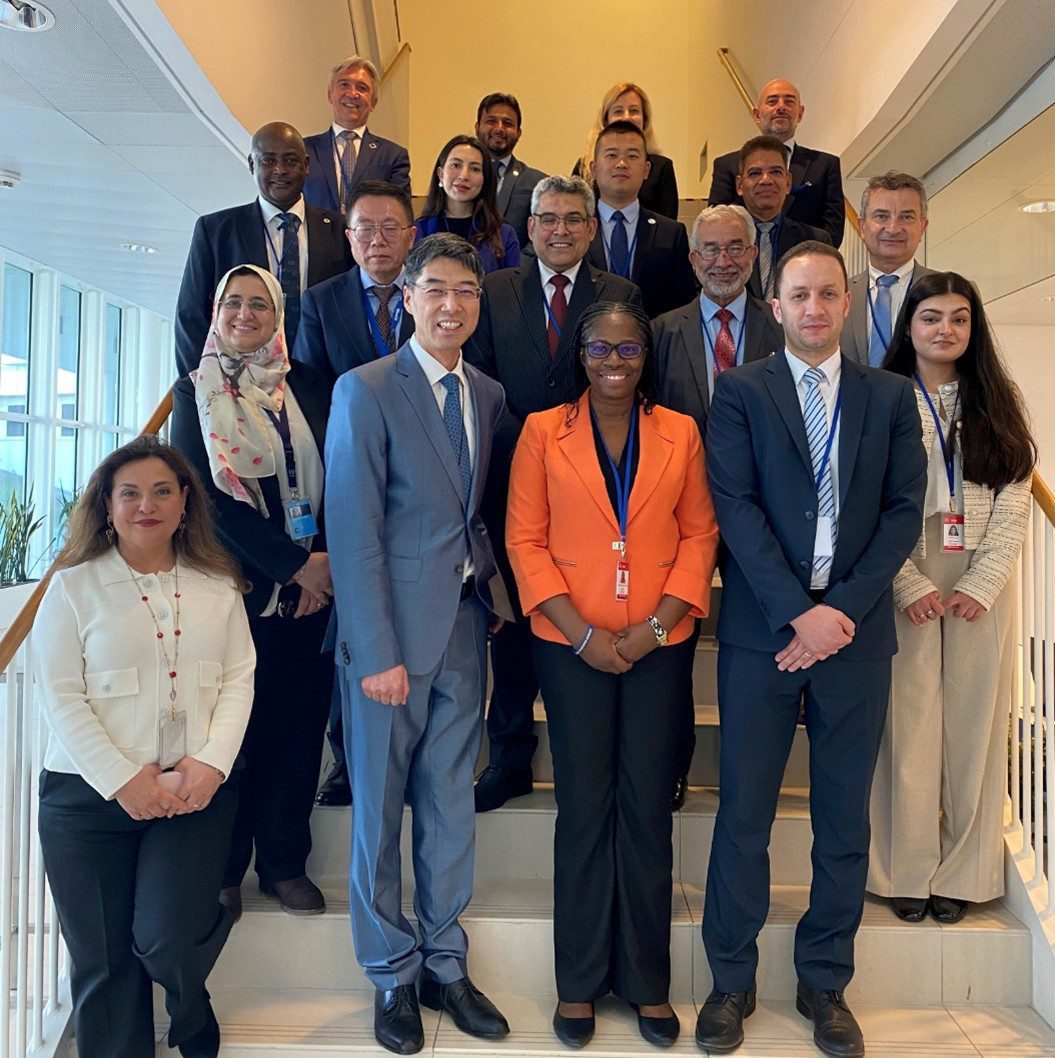
Vienna – Underscoring Morocco’s prominent role in global nuclear safety and security, the Austrian capital recently hosted the 22nd Steering Committee meeting of the Global Nuclear Safety and Security Network (GNSSN). Held from April 28th to 30th, 2025, under the auspices of the International Atomic Energy Agency (IAEA), the gathering marked a pivotal moment for evaluating the network’s accomplishments and defining its future trajectory.
Representing the Moroccan Agency for Nuclear and Radiological Safety and Security (AMSSNuR) at this significant international forum was Mr. Reda NOUR, the Secretary General of AMSSNuR. He attended on behalf of Mr. Saïd MOULINE, Director General of AMSSNuR and current President of the GNSSN. The meeting served as a strategic platform to review the substantial progress made by the network, placing particular emphasis on capacity-building initiatives, through specialized training programs designed to empower Member States in developing and strengthening their national nuclear safety and security infrastructures.
The discussions extended beyond the network’s overall achievements to assess the advancements made by its constituent regional networks. This focus aimed to foster enhanced interregional cooperation and ensure a more effective synchronization of international efforts within this critical field.
A rigorous review of the GNSSN’s 2025-2026 action plan was also undertaken during the meeting. The objective was to guarantee that the network’s strategies remain optimally aligned with the emerging and rapidly evolving challenges in nuclear safety and security. This forward-looking approach seeks to adapt to the constantly changing global landscape and bolster the resilience of national systems.
Key conclusions from the meeting underscored the importance of consolidating collaboration among Member States. Promoting the exchange of knowledge and best practices was highlighted as essential for strengthening national nuclear regulatory systems. Furthermore, the meeting emphasized the necessity of intensifying efforts to support states in reinforcing their domestic legal and regulatory frameworks. This involves organizing targeted training workshops and reviewing existing legislative measures to ensure the safe, secure, and sustainable management of diverse nuclear technologies.
In essence, the Vienna meeting reaffirmed the GNSSN’s vital role as a cornerstone of international cooperation in nuclear safety and security. The network stands as a central hub for connecting expertise, facilitating knowledge sharing among Member States, and diligently working towards the responsible and secure utilization of nuclear technologies across the globe.
Looking ahead, the next meeting of the GNSSN Steering Committee is scheduled to take place in the final quarter of 2025.