GNSSN - AMSSNuR
RCF-Mod.png

4 July 2025by y.naciri

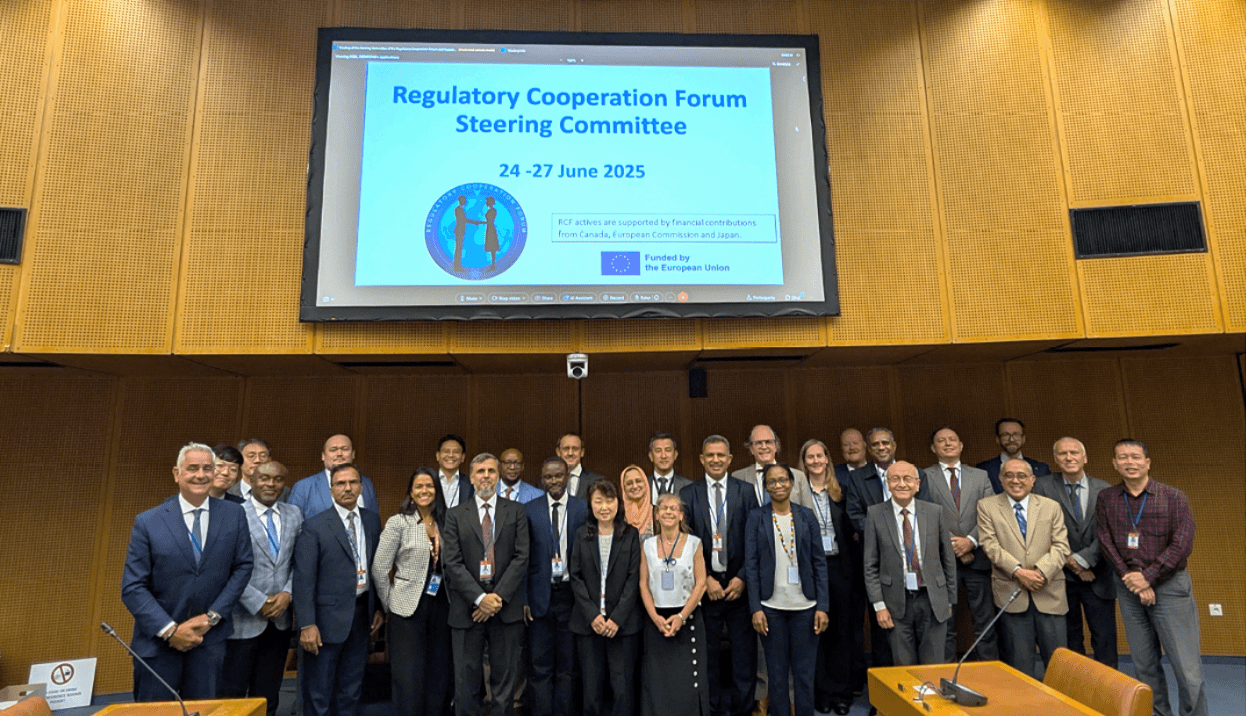
Vienna, Austria – The Moroccan Agency for Nuclear and Radiological Safety and Security (AMSSNuR), represented by its Director General, Mr. Saïd MOULINE, took part in the Steering Committee Meeting of the Regulatory Cooperation Forum (RCF), as well as the related support meeting, organized by the International Atomic Energy Agency (IAEA) from 24 to 27 June 2025 in Vienna, Austria.

Established in 2010, the RCF serves as a platform for regulatory bodies from nuclear countries to promote and enhance collaboration and coordination with countries planning to introduce or expand the use of nuclear energy, as well as with relevant international organizations.

During this meeting, RCF members reviewed the progress made in developing regulatory infrastructure among active beneficiary countries, discussed cooperation mechanisms to foster the exchange of knowledge and experiences among members, examined key performance indicators for each cooperation project, and made strategic decisions on policy and implementation matters.

In his high-level intervention, Mr. Mouline presented AMSSNuR’s strategy for strengthening regulatory capacity, reaffirming its commitment to positioning itself as a strong, exemplary, and independent authority, fully dedicated to protecting people and the environment from the harmful effects of ionizing radiation. He highlighted several structuring actions, stressing the importance of enhanced cooperation at both national and international levels with institutions, technical partners such as the IAEA, GNSSN, and RCF, as well as with the academic community.

Mr. Mouline also recalled the establishment of the African School for Radiological Safety Regulators, launched with IAEA support, as a continental platform for training, mentoring, and knowledge exchange aimed at developing regulatory competencies across Africa. He further underscored AMSSNuR’s role as an IAEA Collaborating Centre in emergency preparedness and response, as well as in nuclear security, having hosted over 90 activities since its designation.

Moreover, Mr. Mouline emphasized the significance of AMSSNuR’s ISO 9001 certification for its Integrated Management System, demonstrating its strong commitment to governance, organizational excellence, and continuous improvement.

He also addressed the challenges of sustaining regulatory capabilities, particularly regarding the management of radioactive ores and emergency preparedness, submitting targeted support requests to the RCF.

AMSSNuR’s participation in these meetings once again highlighted its active role in strengthening international cooperation and regulatory vigilance, its strategic involvement in IAEA networks, and its continued commitment to supporting African countries in upgrading their regulatory frameworks.
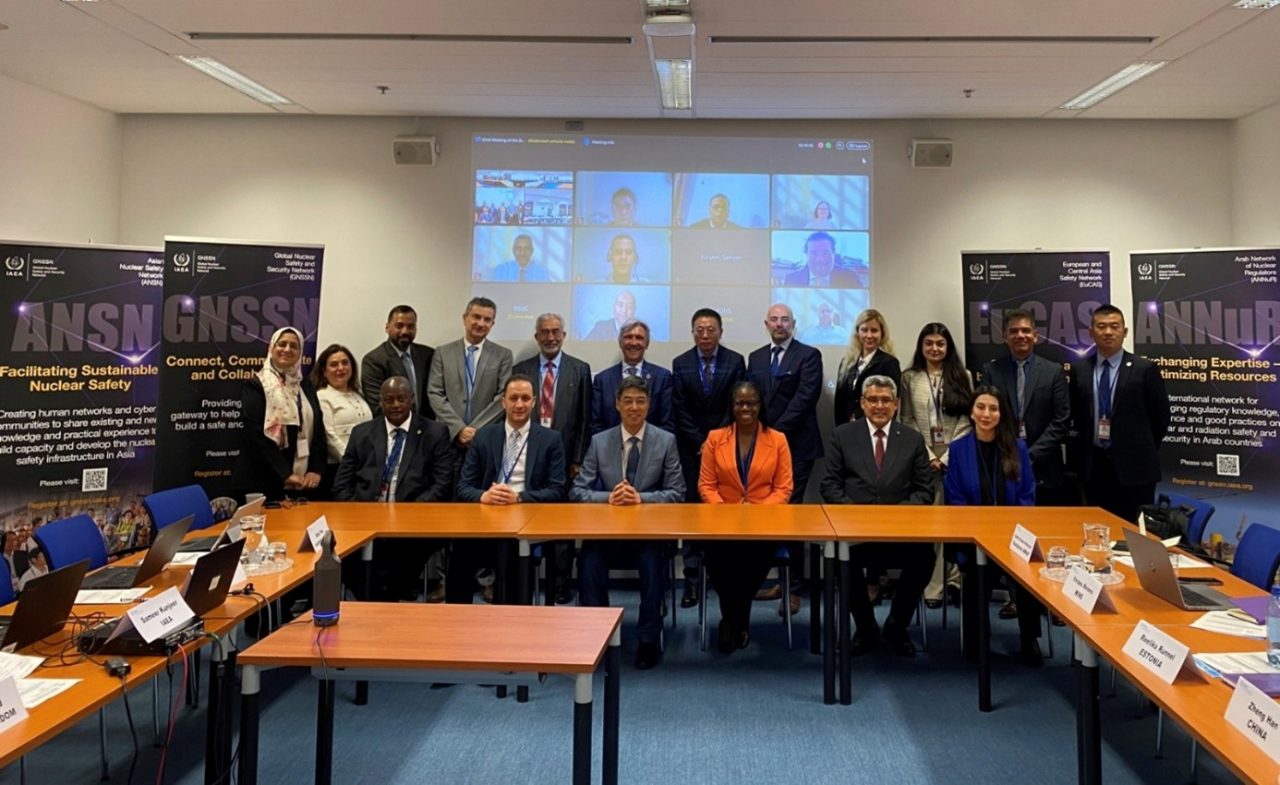
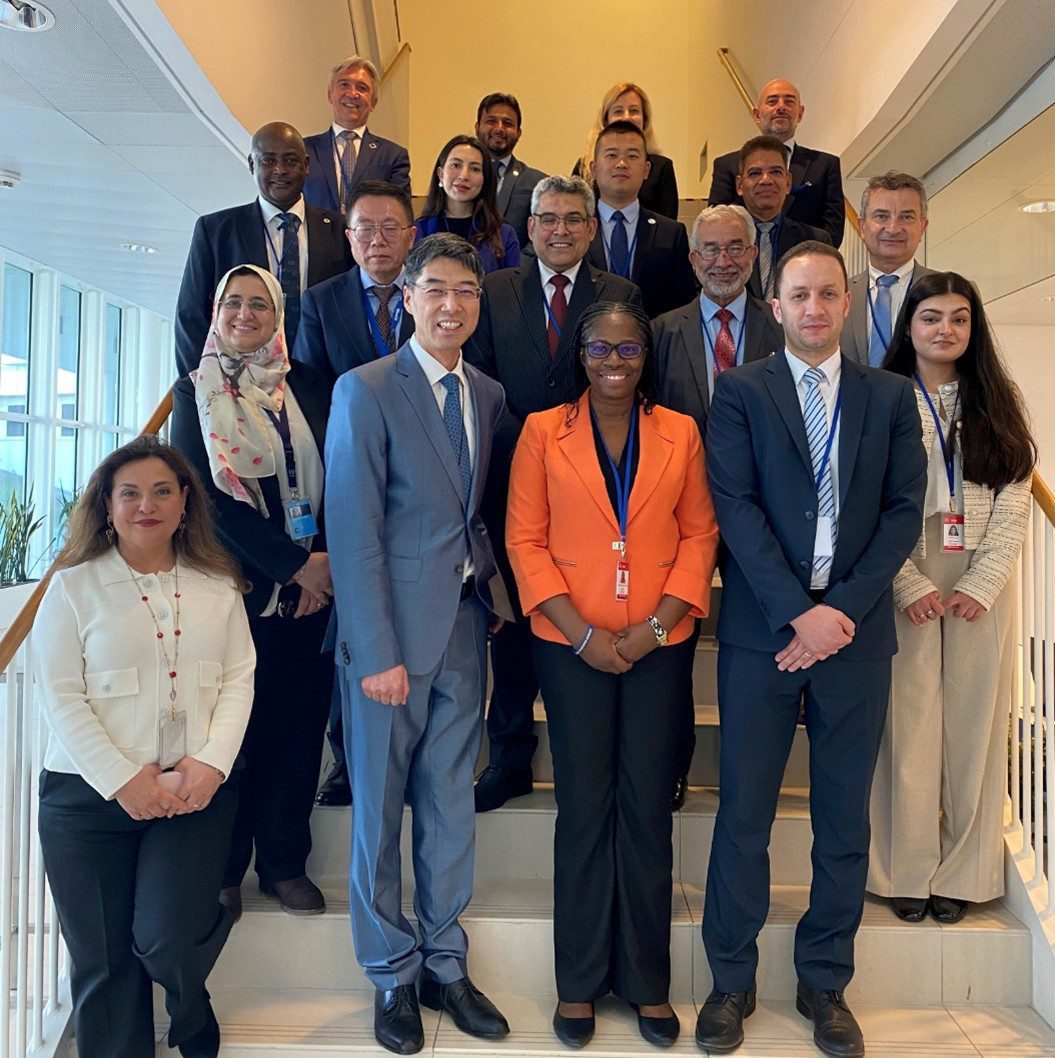
Image1-1-1280x785.jpg

26 May 2025by y.naciri
Vienna – Underscoring Morocco’s prominent role in global nuclear safety and security, the Austrian capital recently hosted the 22nd Steering Committee meeting of the Global Nuclear Safety and Security Network (GNSSN). Held from April 28th to 30th, 2025, under the auspices of the International Atomic Energy Agency (IAEA), the gathering marked a pivotal moment for evaluating the network’s accomplishments and defining its future trajectory.
Representing the Moroccan Agency for Nuclear and Radiological Safety and Security (AMSSNuR) at this significant international forum was Mr. Reda NOUR, the  Secretary General of AMSSNuR. He attended on behalf of Mr. Saïd MOULINE,  Director General of AMSSNuR and current President of the GNSSN. The meeting served as a strategic platform to review the substantial progress made by the network, placing particular emphasis on capacity-building initiatives, through specialized training programs designed to empower Member States in developing and strengthening their national nuclear safety and security infrastructures.
The discussions extended beyond the network’s overall achievements to assess the advancements made by its constituent regional networks. This focus aimed to foster enhanced interregional cooperation and ensure a more effective synchronization of international efforts within this critical field.
A rigorous review of the GNSSN’s 2025-2026 action plan was also undertaken during the meeting. The objective was to guarantee that the network’s strategies remain optimally aligned with the emerging and rapidly evolving challenges in nuclear safety and security. This forward-looking approach seeks to adapt to the constantly changing global landscape and bolster the resilience of national systems.
Key conclusions from the meeting underscored the importance of consolidating collaboration among Member States. Promoting the exchange of knowledge and best practices was highlighted as essential for strengthening national nuclear regulatory systems. Furthermore, the meeting emphasized the necessity of intensifying efforts to support states in reinforcing their domestic legal and regulatory frameworks. This involves organizing targeted training workshops and reviewing existing legislative measures to ensure the safe, secure, and sustainable management of diverse nuclear technologies.
In essence, the Vienna meeting reaffirmed the GNSSN’s vital role as a cornerstone of international cooperation in nuclear safety and security. The network stands as a central hub for connecting expertise, facilitating knowledge sharing among Member States, and diligently working towards the responsible and secure utilization of nuclear technologies across the globe.
Looking ahead, the next meeting of the GNSSN Steering Committee is scheduled to take place in the final quarter of 2025.

X
X
Skip to content